
The psychology behind gambling Understanding its effects on behavior and decision-making
The allure of gambling: Why people are drawn to it
Gambling has long been a source of fascination for many individuals across different cultures and societies. The thrill of potentially winning money or prizes generates excitement, tapping into the basic human desire for risk and reward. This interplay between chance and skill creates an environment that stimulates the brain’s reward centers, releasing neurotransmitters like dopamine, which enhance feelings of pleasure and satisfaction. Such a response can lead to addictive behaviors, where the pursuit of that high becomes compulsive. Many Australian players are discovering the advantages of using PayID for transactions, allowing them to explore options such as payid online pokies with ease.

Moreover, societal factors also play a significant role in driving individuals toward gambling activities. Social gatherings in casinos or online platforms create a community atmosphere where people feel connected. This social interaction can provide an additional layer of enjoyment, making gambling not just about the money but also about bonding with friends or meeting new people. These experiences can reinforce a person’s involvement in gambling, sometimes overshadowing the potential negative effects.
Another compelling factor is the thrill of uncertainty. The excitement derived from not knowing the outcome fuels adrenaline and can be incredibly intoxicating. This emotional high can create an environment where individuals are more likely to take risks. Behavioral economics shows that people often overestimate their chances of winning, leading them to make decisions that are not grounded in reality. This combination of excitement, social interaction, and cognitive bias makes gambling an enticing yet dangerous activity.
The psychological effects of gambling
The psychological effects of gambling extend far beyond simple monetary transactions. As individuals engage in gambling, they often experience heightened states of arousal, which can cloud judgment and lead to impulsive decisions. This heightened emotional state can alter a person’s perception of risk, making them less likely to assess the consequences of their actions accurately. Compulsive gamblers may ignore warning signs and continue betting even when facing significant losses.
Furthermore, the mental health implications can be profound. Gambling addiction often coexists with conditions such as anxiety, depression, and substance abuse. The distress caused by financial losses can create a vicious cycle, where individuals gamble to escape their problems, only to find themselves in deeper trouble. This negative feedback loop can lead to severe consequences, including job loss, strained relationships, and overall diminished quality of life.
Cognitive distortions, such as the illusion of control, are another psychological aspect influencing gambling behavior. Many individuals believe that they can influence the outcome of a game through skill or strategy, which is often not the case. This misconception encourages continued participation, as individuals feel empowered by their perceived ability to manipulate results. Understanding these psychological mechanisms is essential for developing strategies to mitigate harmful gambling behavior.
Decision-making and gambling: The role of cognitive biases
The decisions made by gamblers are often influenced by a series of cognitive biases that can distort reality. For instance, the gambler’s fallacy—a belief that past events influence future outcomes—can lead people to make irrational choices. A player might think that a particular slot machine is “due” for a win because it hasn’t paid out recently. This flawed logic can drive individuals to gamble more, believing they are on the cusp of a big payout.
Another common cognitive bias is the overconfidence effect, where individuals overestimate their knowledge or ability. Gamblers may feel confident in their ability to predict outcomes based on personal strategies or experience, despite the randomness inherent in many gambling activities. This overconfidence can lead to increased risk-taking behavior and poor decision-making, causing significant financial losses.
Moreover, the framing effect—how information is presented—can also impact gambling decisions. For example, individuals may be more inclined to participate in a game if they view it as having a high probability of winning, despite statistical evidence to the contrary. Marketing strategies used by casinos, emphasizing potential wins while downplaying risks, can exploit this bias. Understanding these cognitive biases can help individuals recognize flawed thinking patterns and make more informed decisions regarding gambling.
Gambling in a digital age: The impact of online gambling
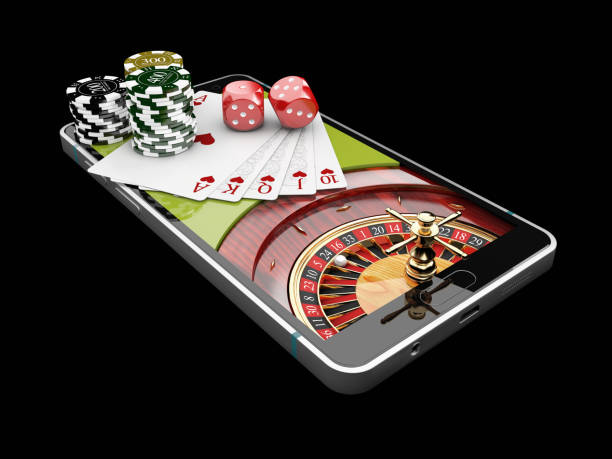
The rise of online gambling has transformed the landscape of betting, making it more accessible than ever. With the click of a button, individuals can engage in various gambling activities from the comfort of their homes. While this convenience offers flexibility, it also amplifies the risk of gambling addiction, as the barriers to entry are significantly lowered. This accessibility can lead to increased frequency and duration of gambling sessions, further entrenching problematic behaviors.
Online gambling platforms often employ engaging design elements and gamification techniques to keep users engaged. Features like instant notifications of wins, leaderboards, and rewards systems can create a sense of urgency and excitement that encourages continued play. These elements exploit psychological triggers, making it easier for individuals to lose track of time and money spent. As a result, many online gamblers may find themselves in a precarious financial situation without fully realizing how they arrived there.
Furthermore, the anonymity of online gambling can exacerbate issues related to impulsive behavior and lack of self-control. Without the physical presence of others, individuals may feel more liberated to gamble recklessly. This can lead to a false sense of security, where gamblers believe that their online activities are less consequential than in-person gambling. Understanding the unique dynamics of online gambling is crucial for developing effective prevention and intervention strategies.
Resources and support for responsible gambling
Finding resources and support is vital for anyone who feels their gambling habits may be unhealthy. Many organizations provide educational materials and counseling services aimed at promoting responsible gambling practices. These resources can help individuals recognize the signs of problematic gambling and offer strategies for managing their behavior. It’s essential to create an open dialogue about gambling, reducing stigma so that individuals feel comfortable seeking help when needed.
Support groups can also play a pivotal role in recovery. Programs like Gamblers Anonymous offer a community for individuals struggling with gambling addiction to share their experiences and learn from one another. This peer support can be invaluable, fostering accountability and understanding in a non-judgmental environment. Building connections with others who have faced similar challenges can significantly aid in the recovery process.
Furthermore, many jurisdictions are increasingly recognizing the importance of responsible gambling initiatives. Regulations and programs are being implemented to ensure that gambling platforms are operating ethically and transparently. These measures aim to protect vulnerable individuals and promote a healthier gambling environment. Awareness of these resources is crucial for anyone engaging in gambling activities, helping them make informed choices and seek assistance when necessary.